Mining
ASMs urge government to expedite formalization initiative
September 26, 2026 / Jacqueline MONJEZA
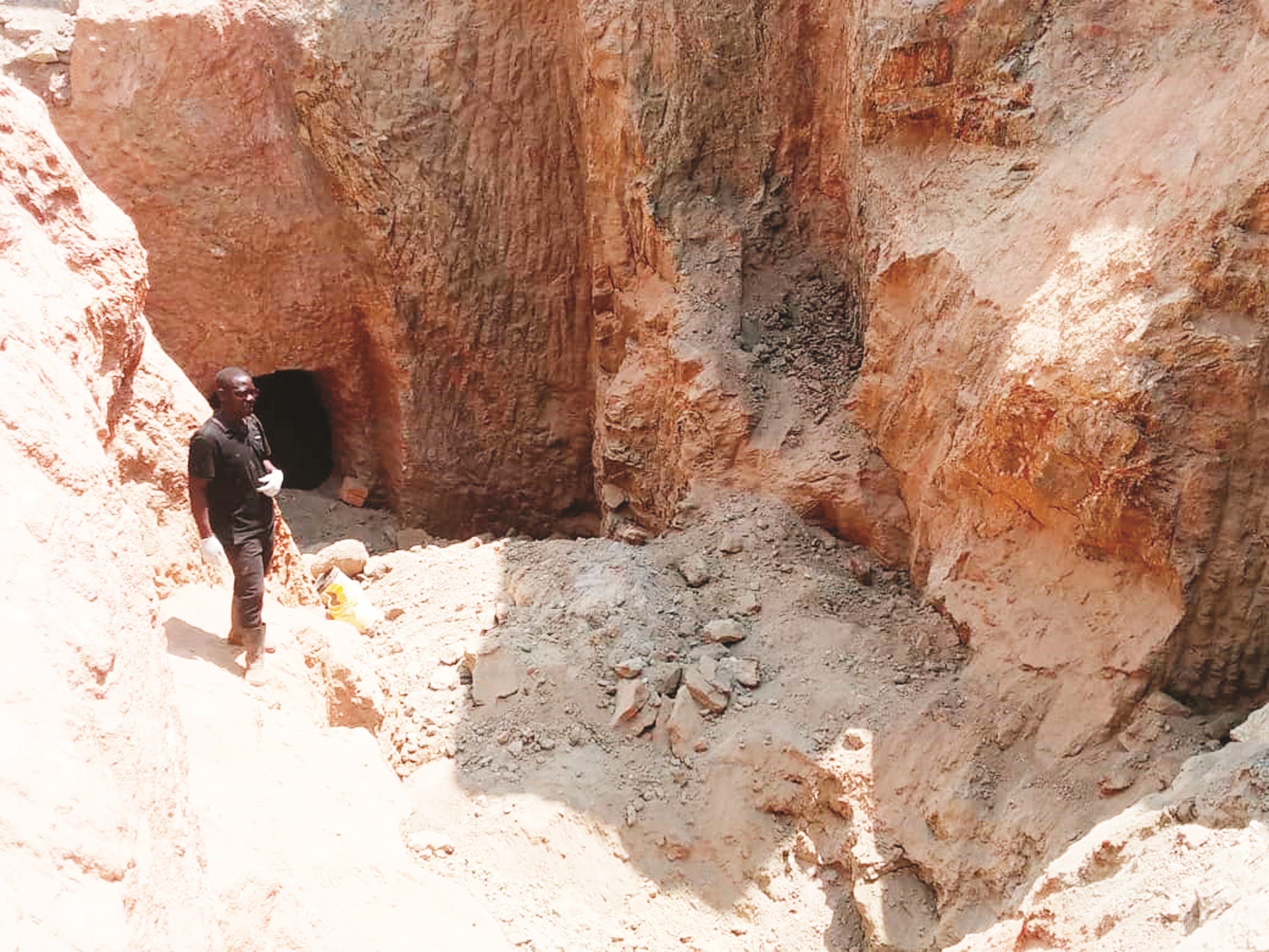
The Federation of Artisanal and Small-scale Miners in Malawi (FASMIM) has expressed concern over Government loss of momentum in its formalization drive for ASMs which has involved registration of mining cooperatives.
FASMIM says failure of this initiative risks leaving thousands of miners trapped in informal and fragmented operations.
The Federation’s President Percy Maleta warns that any prolonged delay in the formalization drive would deny the local miners access to finance, technical support, better markets and other opportunities needed to turn mining from survival activity into a sustainable business.
Government is formulating ASM cooperatives across the country in order to bring the miners into the formal economy, enabling them to operate in an organized manner and potentially improve their access to finance, technical support, markets and access to government services.
Maleta says in an interview that FASMIM were not involved in the planning or implementation of the cooperative formation initiative and has not received any official explanation on why the process that started at a high tempo early this year is slowing down.
“I believe the cooperative model was introduced as an important tool for formalizing ASM. However, we have observed that the momentum around registration and operationalization of cooperatives has slowed. From the Federation’s perspective, there could be administrative, institutional and coordination issues behind this, but we do not want to speculate,” he said.
Maleta, however, raises concerns on the way some cooperatives are operating hinting that some miners appear to be coming together to obtain protection through cooperative licenses though they do not have a genuine cooperative spirit.
This, he says, risks defeating the purpose of the model because members continue working individually instead of operating collectively.
Maleta says: “FASMIM therefore wants cooperative formation to be driven by miners themselves rather than people being forced or instructed to form groups.
“Government and miners should not operate on opposite sides; we need a partnership. The Federation is available as a partner, because we represent a broad constituency of ASM stakeholders and can help government communicate with miners, identify challenges on the ground and support the transition from informal to formal operations.”
FASMIM is calling for clearer communication from government on the outstanding issues, the institution responsible and a realistic timeline for moving the cooperative formation process forward. It also wants the Ministry of Mining and the Mining and Minerals Regulatory Authority to engage the Federation more closely on issues affecting ASMs.
Maleta maintains that the ASM subsector has enormous potential in gold, gemstones, industrial and development minerals but unlocking that potential requires more than licenses and promises.
“It requires genuine organization, formalization, financing, mechanization, technical support and value addition.”
Share this:
Leave a Comment
Comments
Mining & Trade Review News

Agribusiness News

Subscribe to Newsletter
Rehabilitation:
The establishment of a stable and self-sustaining ecosystem, but not necessarily the one that existed before mining began. In many cases, complete restoration may be impossible, but successful remediation, reclamation, and rehabilitation can result in the timely establishment of a functional ecosystem.
Archives
Remediation:
The cleanup of the contaminated area to safe levels by removing or isolating contaminants. At mine sites, remediation often consists of isolating contaminated material in pre-existing tailings storage facilities, capping tailings and waste rock stockpiles with clean topsoil, and collecting and treating any contaminated mine water if necessary.
Stakeholders Logos